
Material-ism
Have we lost our concern for the living?

Noun
Value system
A tendency to consider material possessions and physical comfort as more important than spiritual values.Philosophy
The theory or belief that nothing exists except matter and its movements and modifications.
We live in “The Hour of the Predator” writes Giuliano da Empoli. The fight for control of critical resources transcends hemispheres, continents, and borders. A global focus on resources feels defining for our time. As designers of matter, we architects have been appointed caretakers of resources. The administration and processing of material is everything. Mineral materials. Fossil material. Natural materials. Biogenic materials. Biobased. Recycled. Circular. Regenerative. Materials are excavated, harvested, captured, processed, and distributed. We are designing a world that, in its purest form, manifests materialism.
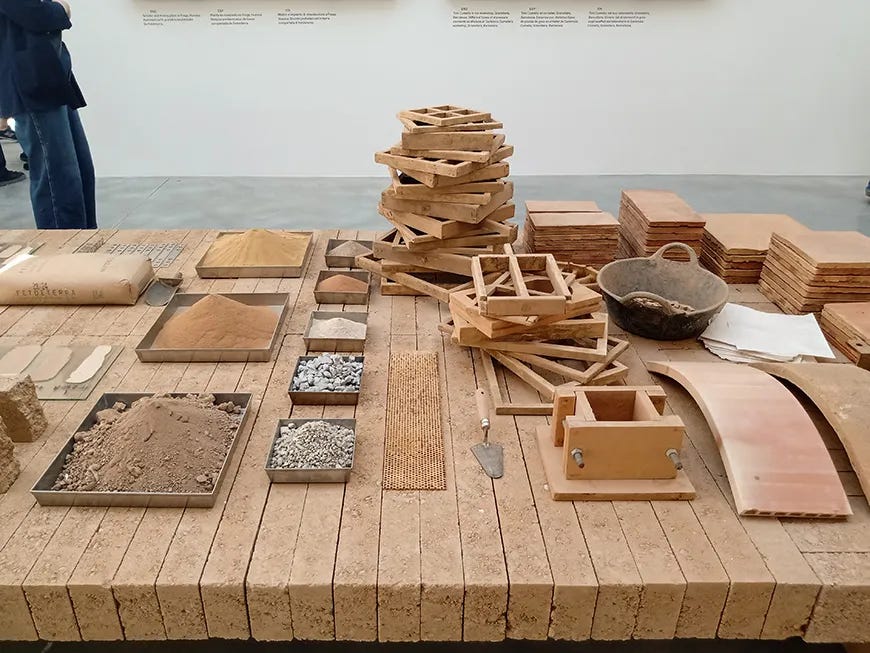
Visiting recent editions of the Venice Architecture Biennale, one feels invited into a laboratory. Walking through the spaces of the Arsenale and the pavilions at the Giardini, visitors are introduced to resource streams, production methods, technologies, aggregates, and binders—all related to resource administration and material design.
Architects are more than ever concerned with matter and material. The architecture profession has become the R&D department of an industry devoted to material development, manufacturing and marketing. The administration of resources is elevated into the very purpose of architecture itself. Materials may constitute the foundation of a new architectural ism. A material-ism.
Today, the term materialism carries two related meanings. Both share the view that everything is purely matter. Matter contains properties that humans have used, can use, and will continue to use for personal benefit. By these definitions, materials does not embody spirit. Materialism is a system of distribution.
Gases are relocated from fossil deposits underground into the atmosphere to heat our houses. Timber from forests is relocated into buildings and furniture. Sand from ocean beds is mixed with lime and cast into infrastructure on land. Nutrients are cultivated and concentrated on land to fertilize soil, feed people and then washed into our seas . Rare minerals are extracted from the soil and relocated into technologies used for the production and distribution of information, social media and AI. Water is pumped from the ground to cool the servers.
All of these material processes are directly linked to distribution: the distribution of resources, wealth, labor, people, influence, and power. Resources are bought, sold, annexed and stolen. The extraction and administration of resources have very real physical implications for our planet and its people; yet the manifestation of materialism is, to a large degree, immaterial rather than physical.
Assets, value deposits, property rights, energy, information, consumer attention, clicks—immaterial manifestations that only very few can hold and control.
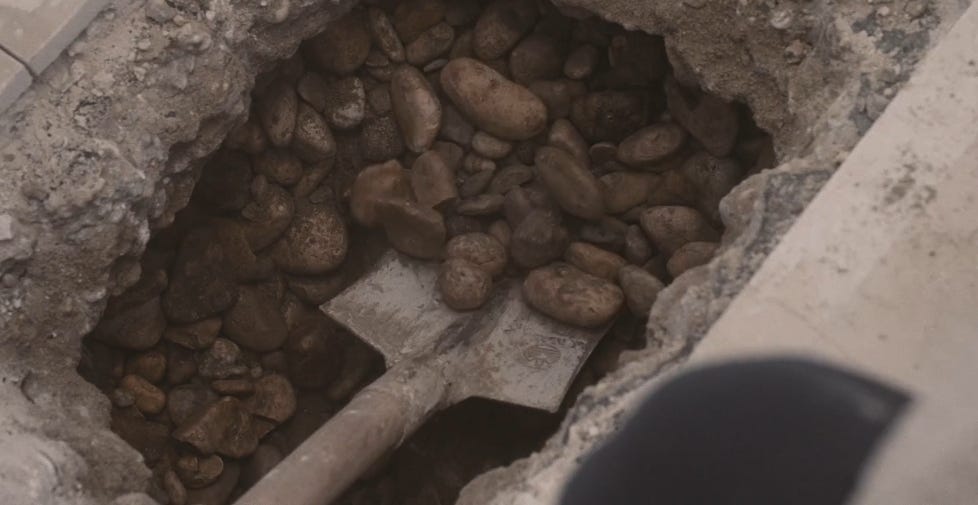
Still for most people immaterial aspects of materialism have created a deep desire to control our immediate environment through physical objects - through physical matter. To manifest the intangible, invisible, soundless, odorless and digital into something to touch, smell and taste. Something real. Holding on to matter—objects, gravel, mud, textile —and imbuing them with meaning, memory, symbolic value, status is a very concrete way of holding on to something stable in a fluid world of digital consumption, leasing models, subscriptions, big data, global economy, unreliable information, information overload, fleeting attention, distraction, temporality, pop-ups.
We, the architects, are no different. We too are longing for something to touch, smell and taste. But has a worship of matter replaced a focus on the living? Designing the social foundations and connective glue that keep our societies alive. Our cultures, communities, democracies and well-being?
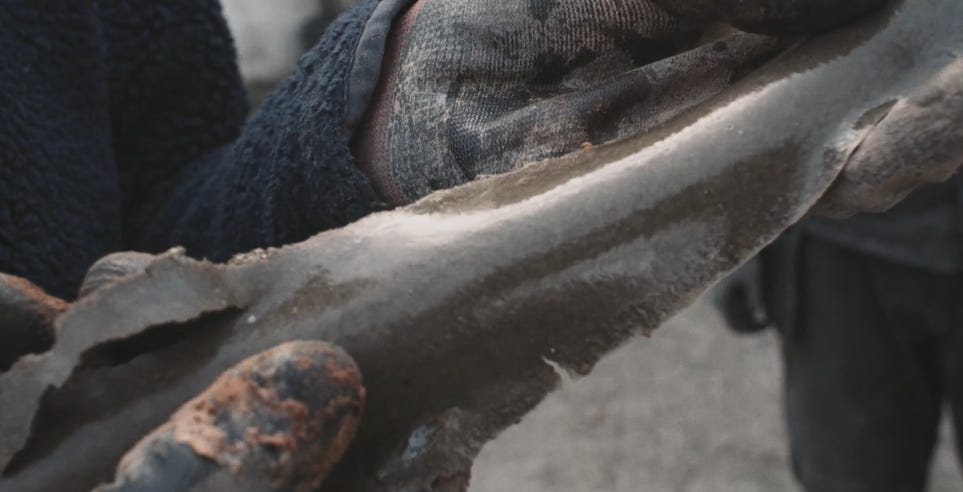
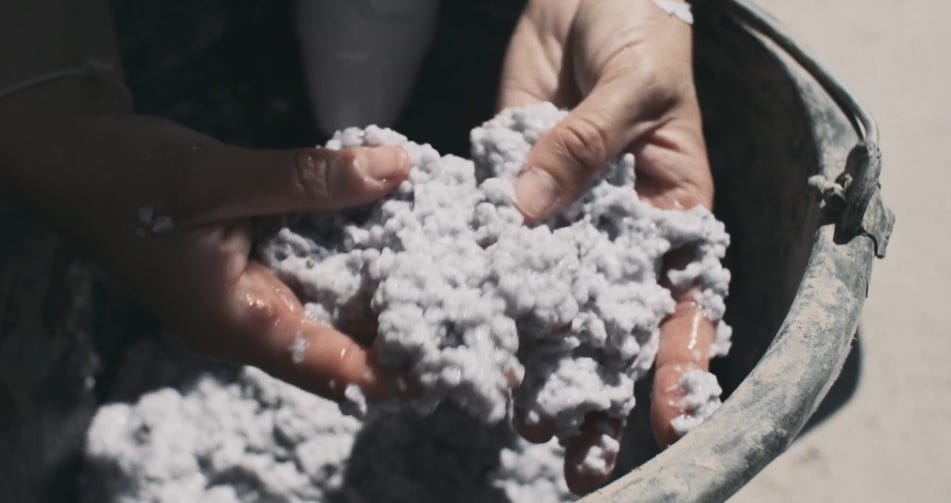
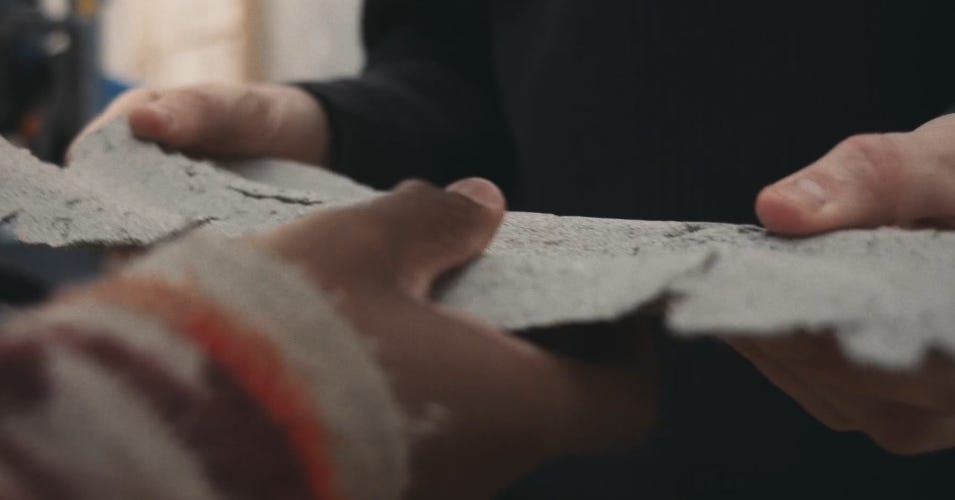
One way to balance this is to refocus our practice on the social and artistic value of our discipline, and to redirect our design efforts toward the end goal rather than the means. Can we as a profession free ourselves from our personal longing for matter and see past this?
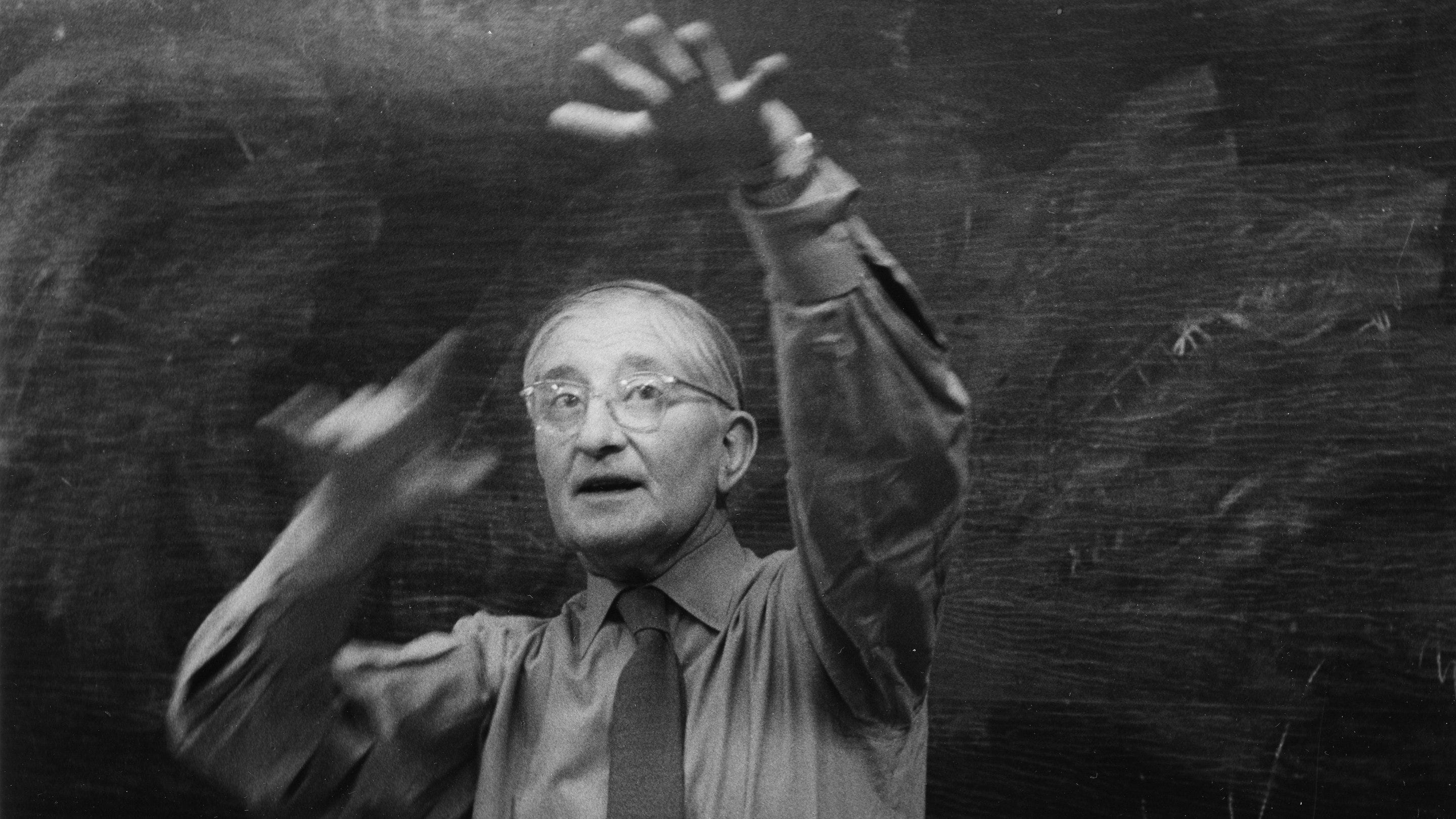
As a student and later a teacher in the Applied Arts department at the Bauhaus in Germany, and later at Black Mountain College in USA, Josef Albers was deeply fascinated by the power of materials—or Materie, as he called it. Albers formed the basis of his teachings in the 1920s, during and between two world wars, in a country deeply affected by economic crisis. For Albers, Materie means a deep understanding of value, properties and composition of materials and the beginning of all art and design practice. This awareness of the value (and power) of material informed what Albers called Economic Form. Economic Form was for Albers a designing approach based on resource administration that ultimately would liberate people from being enslaved and controlled by material - by materialism. In his curriculum brief “Teaching Form Through Practice” (Werklicher formunterricht) written in 1928, he writes
“Ours is an economically oriented age. In earlier times, world-view was more important. Today, nobody can exist without considering economics: we are concerned with economic form. Also because the need for rational design necessarily follows the previous overemphasis on emotion or historical forms. (Because, like clothes, forms also wear out.)”
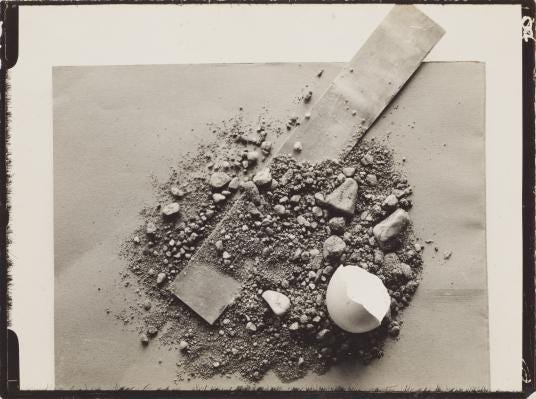
In this sense, Albers argued for the removal of personal attachment and nostalgia from artistic discipline—what he identified as an “overemphasis on emotion and historical forms.” He wrote:
“Economic form arises out of function and material. Study of material naturally precedes understanding of function. Thus our attempt to come to terms with form begins with study of the material.”
And later:
“At the beginning there is only the material.”
Albers’ view on material was a pragmatic one. Evaluation of material and craft was means to freedom and liberation from external influence. Albers defines his focus on economy as “Economy in the sense of parsimony in relation to expenditure (material and labor) and the best possible exploitation with regard to the effect. … As much as possible, materials are to be used without waste, without cutting. Preliminary experiments are made in the smallest possible form, and in the case of valuable materials, using cheaper substitutes.”
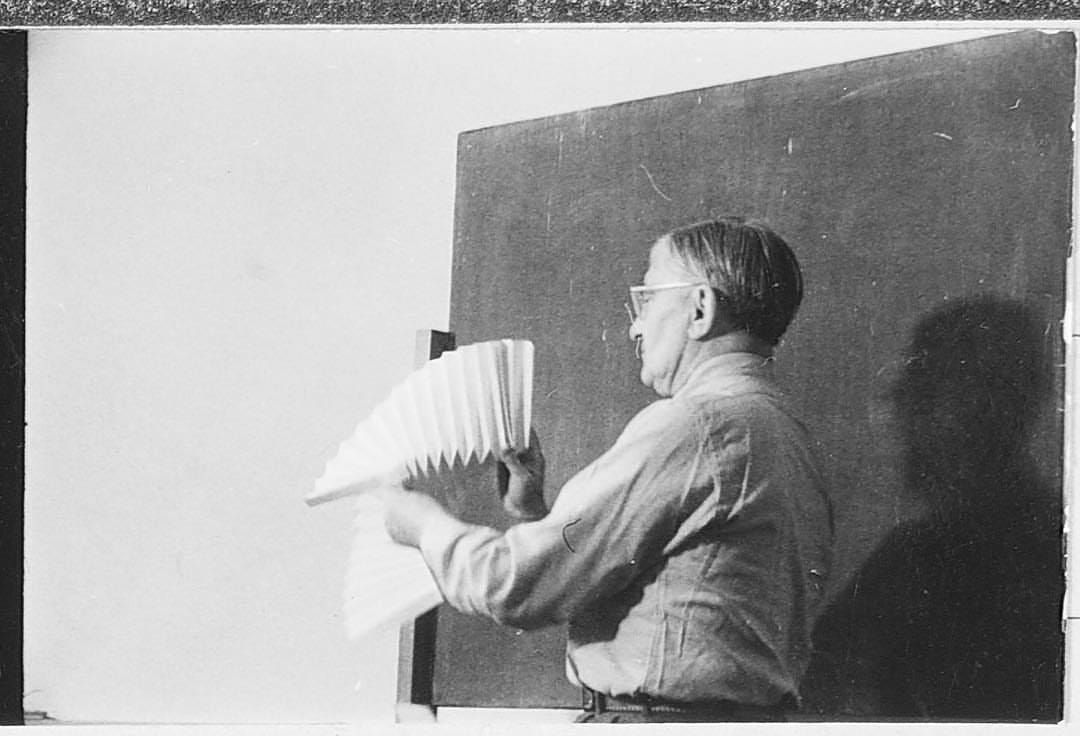
In this sense, Albers urged students to solve functional tasks by applying an absolute minimum of new material and cost. In some cases, he proposed that the true outcome of a design task was not the object itself, but the immediate consequence of its making. Albers spoke of what he called the Negativa, where the hierarchy between what is created and the leftover, environment, or context surrounding it shifts toward an emphasis on the latter.
Albers writes:
“The activation of negativa (of remainders, intermediate, and negative values) is perhaps the only entirely new, perhaps the most important aspect of contemporary interest in forms. But few have noticed this yet—the word has yet to get around—because the sociological parallels have not been noted. (The sociological reasons for seeking these forms today deserve more extensive discussion here and elsewhere). If one gives equal consideration and weight to positive and negative values, then there is no ‘remainder…. Every element must simultaneously help and be helped by the whole, support and be supported”
In this way, Albers is not just talking about a physical negativa, but a social one. In order to free ourselves of external control, we must build a deep understanding of our material world to then free ourselves from it. To refocus on the effects of design - aesthetic, cultural, nurturing our communities – our society as a whole. A ying and a yang.
Why was Albers so deeply concerned with this? Growing up and becoming an artist in 1920s Germany with very little to live on, Albers began constructing his artworks from scraps he found at the local dump. Albers freed himself from systems of distribution, relocation, negotiation, and the politics of resources.
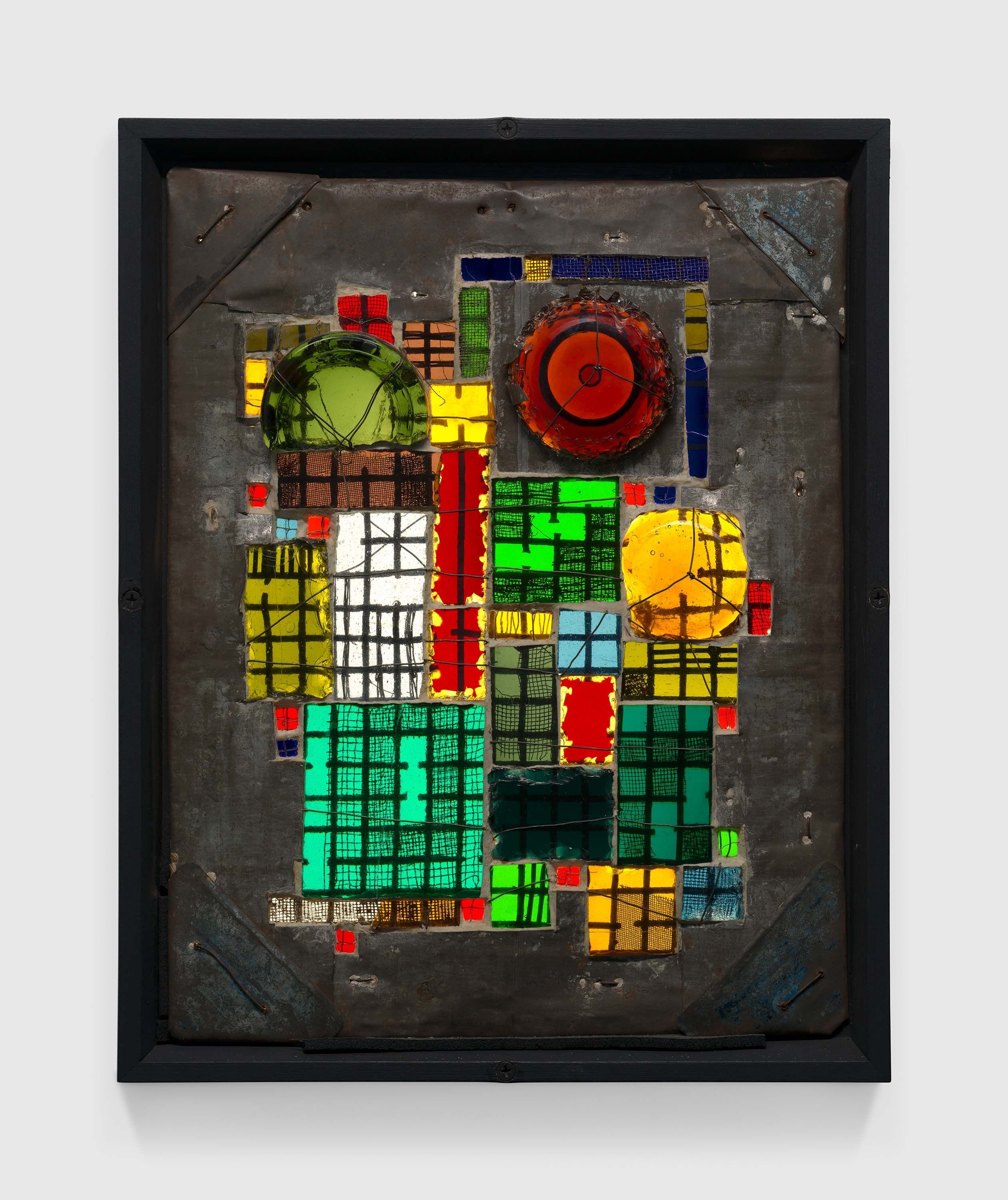
What Albers attempted to do with this freedom was to teach others how to free themselves as well, and collectively build a new society less dependent on materials and resources, more on the collective —to bring about an end to materialism.